


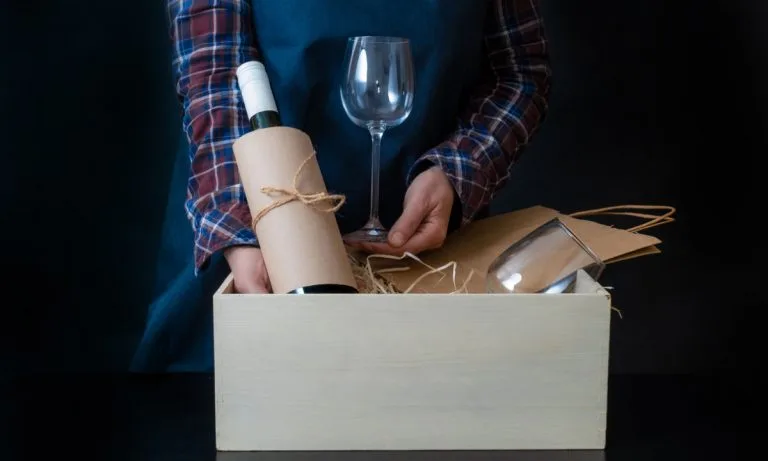
In the quest to gain and maintain consumer loyalty, wine subscriptions and similar alcoholic beverage services prioritize the customization of their products, according to findings from PYMNTS Intelligence.
 GLO
GLOIn the quest to gain and maintain consumer loyalty, wine subscriptions and similar alcoholic beverage services prioritize the customization of their products, according to findings from PYMNTS Intelligence.
Statistical Insights
For the “The Loyalty Factor,” June edition of the “Subscription Commerce Readiness Report,” PYMNTS Intelligence conducted a survey involving over 2,000 U.S. consumers with retail product subscriptions to uncover the factors influencing merchant selection and fostering enduring relationships.

The findings indicate that consumers who have subscriptions for alcoholic beverages are more inclined than those with other types of subscriptions to prioritize the ability to customize the products added to or removed from their subscription boxes. A total of 26% of these subscribers emphasized the significance of this feature when enrolling in a retail subscription.
Putting the Data into Practice
Merchants have certainly taken notice of this demand. In an interview with PYMNTS, David Lynch, the editorial director of the wine curation company SommSelect, which offers various monthly subscriptions, pointed out that as more competitors enter the market, offering a personalized touch becomes increasingly crucial for securing customer loyalty.
Lynch stated, “Despite all the technological optimization and efficiencies we seek, there still needs to be a human touch, a personal signature on it. We are creating content for people by humans and doing so thoughtfully. To me, this is a distinguishing factor that we cannot afford to lose. After all, without some sense of authenticity, why would someone join a club? I believe that’s how people ultimately decide which clubs they want to be part of.”
These considerations will become even more significant as the e-commerce sector for alcoholic beverages continues to expand in the coming years.
“Alcohol, compared to other sectors, is relatively underdeveloped. This can be attributed in large part to the three-tier system in the United States, a result of the post-prohibition era and the regulatory framework that has imposed many restrictions on the product category itself,” explained Zac Brandenberg, co-founder and CEO of the alcohol e-commerce platform DRINKS, in an interview with PYMNTS. “Therefore, the space is still quite young in many respects, especially when compared to other products available, and it’s also relatively immature given the size of the market.”
Source: PYMNTS
