


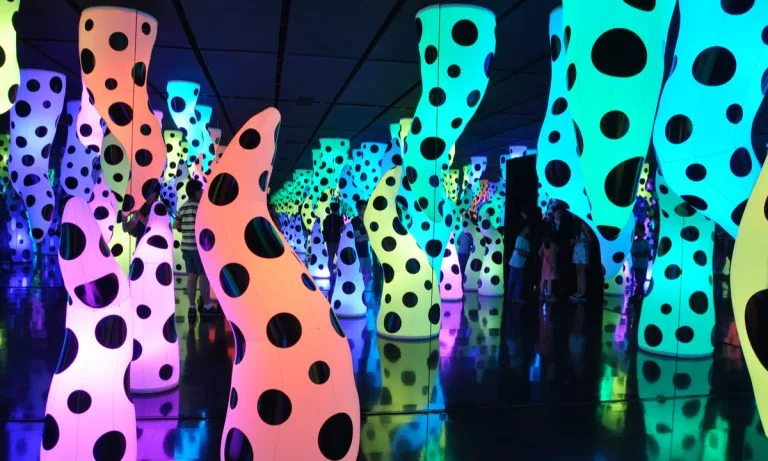
According to affluent shoppers, the era of quiet luxury, characterized by subtle refinement, understatement, and minimalist elegance, is coming to an end. This shift raises important questions for retailers, particularly in the context of the upcoming holiday season.
 GLO
GLOAccording to affluent shoppers, the era of quiet luxury, characterized by subtle refinement, understatement, and minimalist elegance, is coming to an end. This shift raises important questions for retailers, particularly in the context of the upcoming holiday season.
Fashionphile reports that luxury shoppers are moving away from discreet handbags from well-known brands. Instead of the “if you know, you know” mentality, customers are now favoring more conspicuous and attention-grabbing styles.
While quiet luxury labels like Loewe, Celine, and Bottega Veneta have seen a respectable 34% surge in popularity, the demand for bold patterns has seen an even greater upswing compared to their understated counterparts. For instance, the popularity of polka dots has surged by an impressive 71%, and pieces from the Louis Vuitton and Yayoi Kusama collaboration have seen a 51% increase in sell-through rates.
Before we bid farewell to quiet luxury, it’s important to acknowledge the impact this trend, popularized by shows like “Succession,” has had on the retail landscape. Quiet luxury champions products that are meticulously crafted, free from ostentatious logos or overt displays of wealth. What initially started as a trend has evolved into a lasting philosophy, fostering a desire to possess revered brands such as Brunello Cucinelli and Loro Piana.
Brunello Cucinelli, the executive chairman and creative director of the fashion house, emphasized the value of exclusivity and rarity during a recent earnings call on August 29th. He stated, “Overexposure has always worried me as it is not exclusivity, and luxury is exclusivity, rarity, and uniqueness, when customers feel that a product was made almost solely for them.”
As consumers lean towards more daring prints and products, quiet luxury may experience a dip in momentum. However, loyal customers who appreciate quality are expected to remain steadfast. For those inclined towards bolder choices, here is the current state of retailing.
According to a PYMNTS report, 67% of retail customers anticipate price increases in the next 12 months. Consumers don’t anticipate inflation returning to normal levels until the end of 2024. In light of this projection, consumers are willing to accept higher price tags and are showing a preference for statement pieces that align with current trends.
Approximately 60% of consumers have cut back on spending for clothing and accessories, but only 4 out of 10 have opted for more budget-friendly brands.
Earnings calls have revealed that shoppers with higher incomes have been gravitating towards large-scale retail chains. Much like the broader consumer base, these affluent shoppers also prioritize convenience and value, regardless of where or how transactions take place.
Fashionphile notes that Gen X and millennial shoppers are leading the charge in the luxury resale market, exerting significant influence through their frequent visits to the discounted pages on the platform’s website.
Given these insights, there is an opportunity for retailers to refresh their product offerings, aligning them with the vibrant and textured preferences that consumers are seeking this holiday season. This overhaul can extend to clothing, accessories, and even packaging, all contributing to the creation of a visually appealing seasonal identity.
To enhance the appeal of these offerings, retailers can introduce immersive in-store experiences characterized by captivating displays and interactive features that invite customers to physically engage with the products. Additionally, they can implement virtual try-on options for online shoppers, allowing them to visualize how the items look and feel when worn.
Source: PYMNTS
read full article here
